Cultural X Collabs: Weaving the Future project contribution by MultakaOxford and Fusion Arts
This year, MultakaOxford and Fusion Arts joined Cultural X Collabs: Weaving the Future, an international project led by the Museum for Islamic Art in Berlin. Communities around the world have been invited to host and respond to fragments of a replica 17th-century Caucasian carpet, using them as starting points for creativity and connection.
Over the past few months, MultakaOxford’s Youth Culture Club have been taking fragment 87 across Oxfordshire on a new adventure. They have documented its travel along the way, through photography and film.
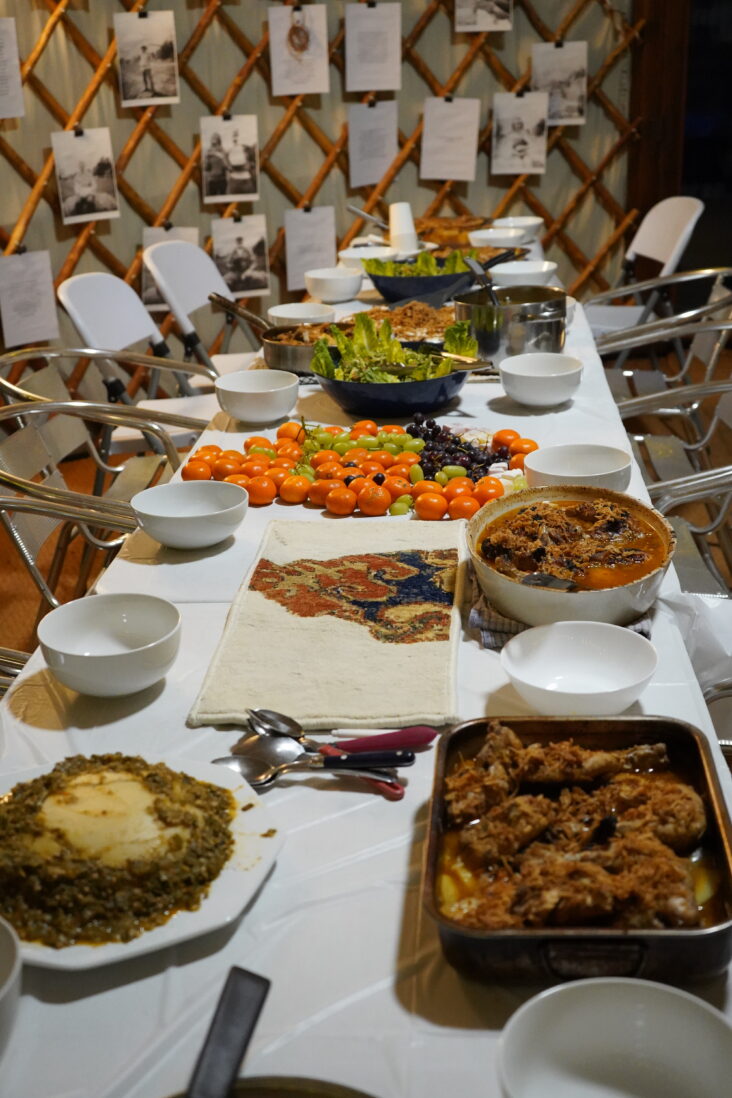
The journey began during Ramadan, when the carpet became part of a series of intergenerational community Iftars. Through shared meals, cooking sessions and photography, participants explored memories, traditions and recipes from different cultures.
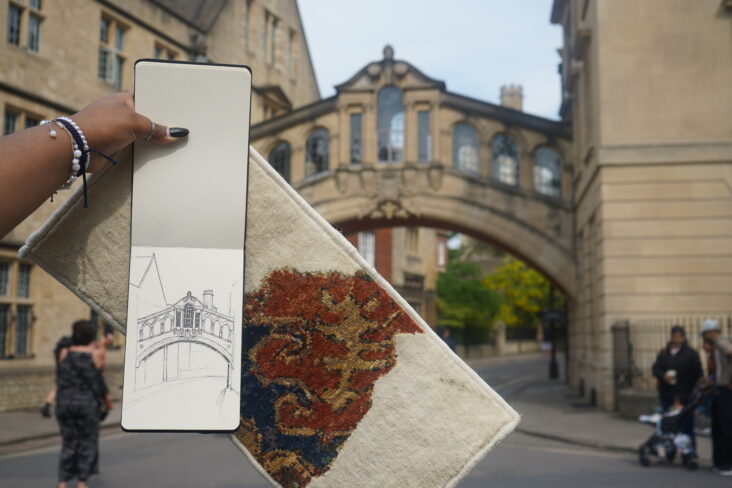
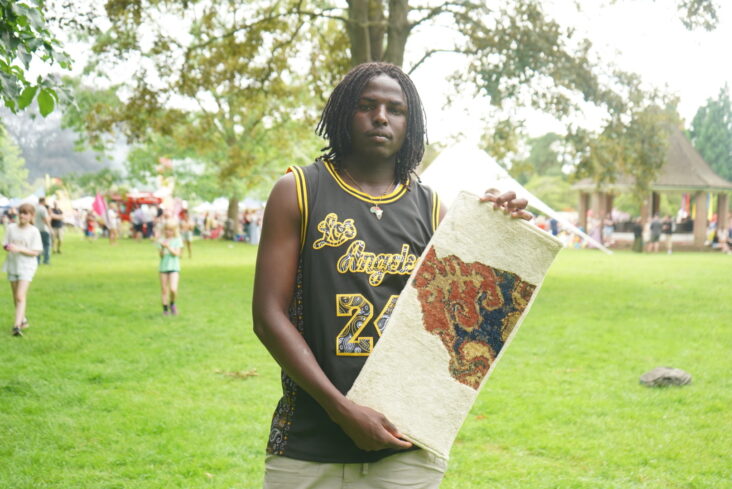
From there, the carpet travelled through some of Oxford's most iconic spaces. It visited the Oxford University Museum of Natural History and the Pitt Rivers Museum, inviting reflections on history, belonging and the journeys that objects and people make across time and place. It joined community events including the Sanctuary Fair, FloFest and EMBS’s Culture Day where visitors were invited to be part of the project and share their reflections.
At Fusion Arts, the project took an exciting turn; drawing inspiration from the original fragment, participants worked together to create a collective carpet of their own.
Along the way, the carpet became more than an object. It has become a meeting point: a way of bringing people together through art, curiosity and dialogue.
This summer, the project comes together in a window display at Fusion Arts, featuring the original carpet fragment, the collective carpet, photography documenting its travels, and two short films created by the Culture Club volunteers. Together, they capture a journey across Oxfordshire and the many connections formed along the way.
Fragment 87 will now continue its journey to Turin, before finally making its way back to Berlin where all 100 fragments will be reunited in 2027 at an exhibition in the museum.